Everything you need to know about recycling plastic scraps
Recycling Plastic Scraps includes:
Plastic off-cuts
FIND A RECYCLER
Learn more about recycling plastic scraps

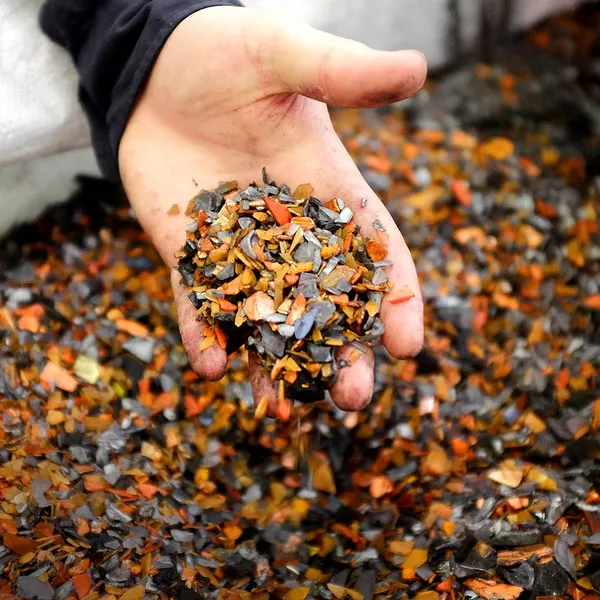

How to recycle plastic scraps
Why recycle?
Plastic scraps are often left over from manufacturing and packaging processes in a number of industries. Recycling these scraps can reduce the reliance on traditional landfill waste disposal, which can be costly and environmentally detrimental as plastics are not biodegradable.
Plastic polymers are made from oil, coal and gas, so by recycling unwanted scraps into other useful products, this reduces the need for primary extraction and helps conserve these important non-renewable resources. It is estimated that 1.8 tonnes of oil are saved for every tonne of recycled polyethylene produced.
What happens to it?
Plastic scraps are collected, sorted and baled into plastic types. They are then washed to remove contaminants and shredded into flakes and then placed into an extruder. From here the plastic is melted, pushed through the extruder, cooled, died and then chopped or pelletised into granules. It is then ready for remaking into new products. Depending on the plastic type, scraps may be recycled into a range of products including plastic films, carrier bags, sheets, bottles, household products and more.
Recycling Options
Australia recycles large amounts of plastic every year and there are numerous plastic recyclers operating who will accept a range of plastic scraps. This may be offered as a pick-up or drop-off service. Plastic scrap bins may also be provided for collection of scraps on site.